





Men's Winter Coats London
Getting winter coats for men that fit while keeping you warm shouldn’t be complicated. If you’re a professional in London who needs a coat that works over suits, keeps you warm during commutes, and looks sharp for years, here’s what you need to know.
At McCann Bespoke London, we’ve spent years helping city professionals choose and create winter coats that fit their needs.
-
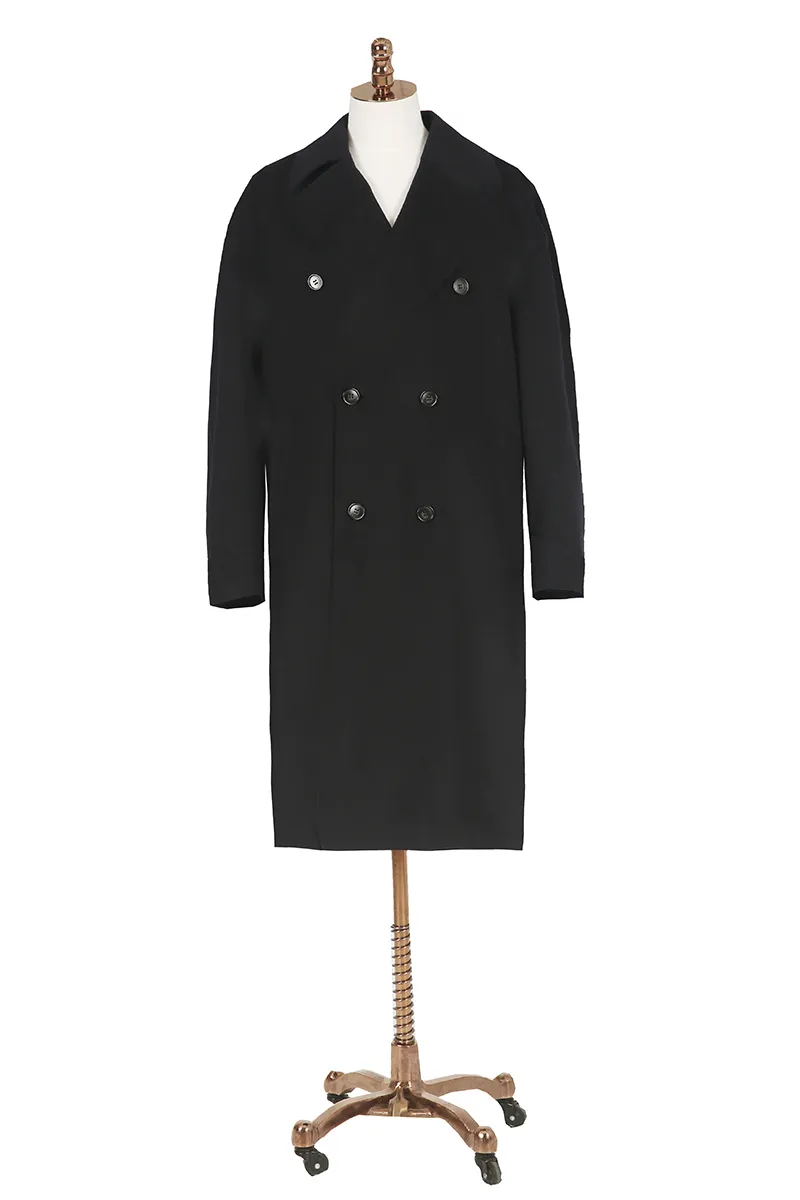
Black Double-Breasted Overcoat
-
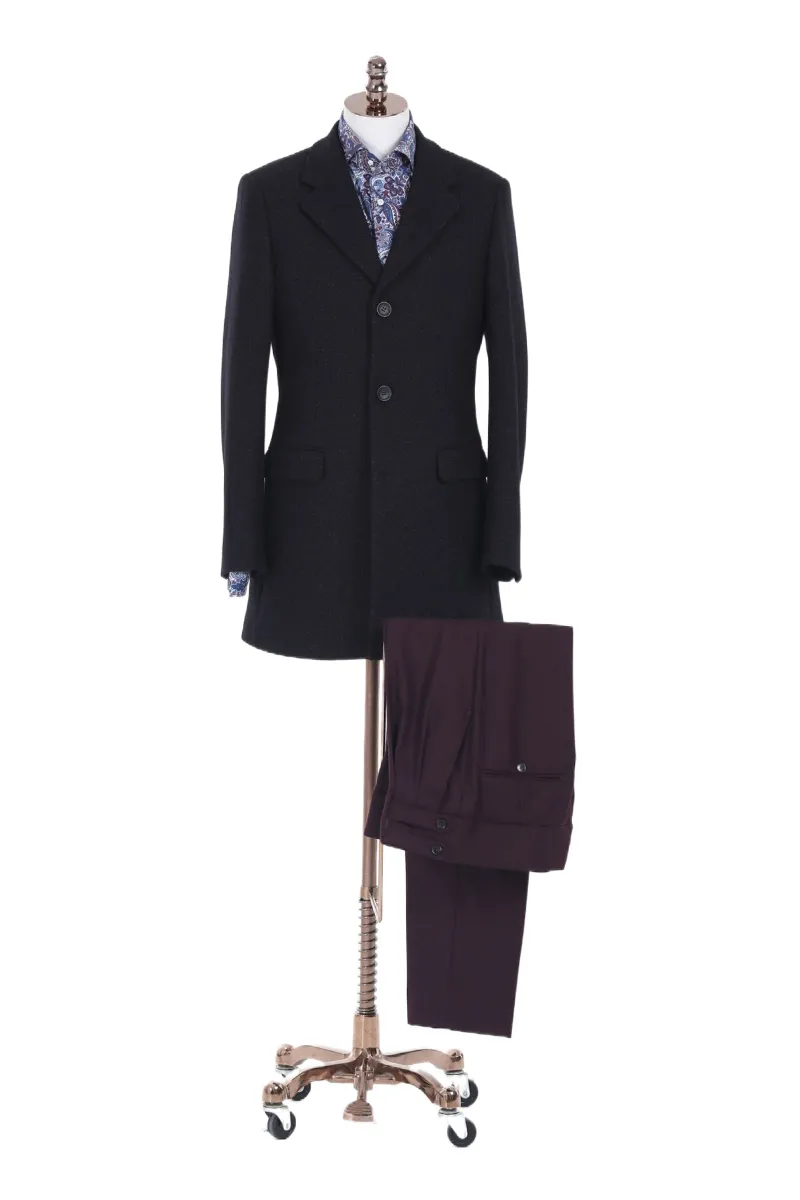
Single-Breasted Black Overcoat
-
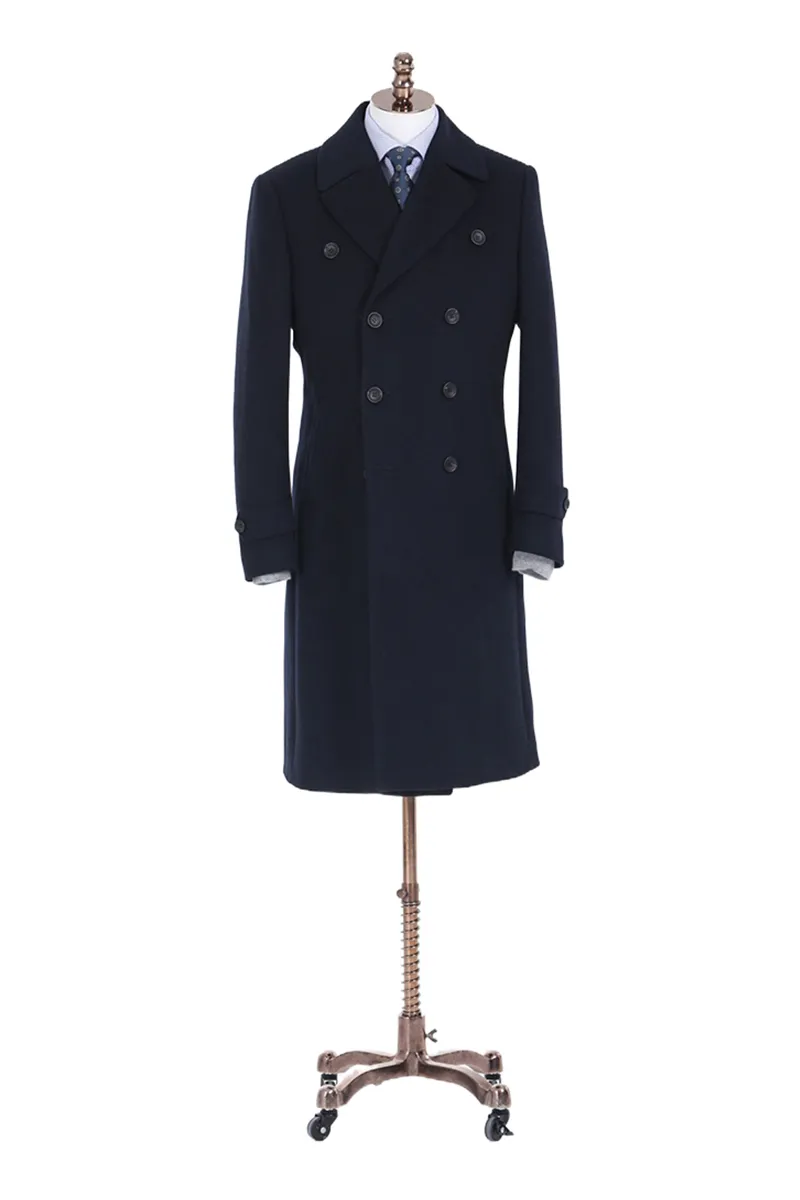
Double-Breasted Navy Overcoat
-
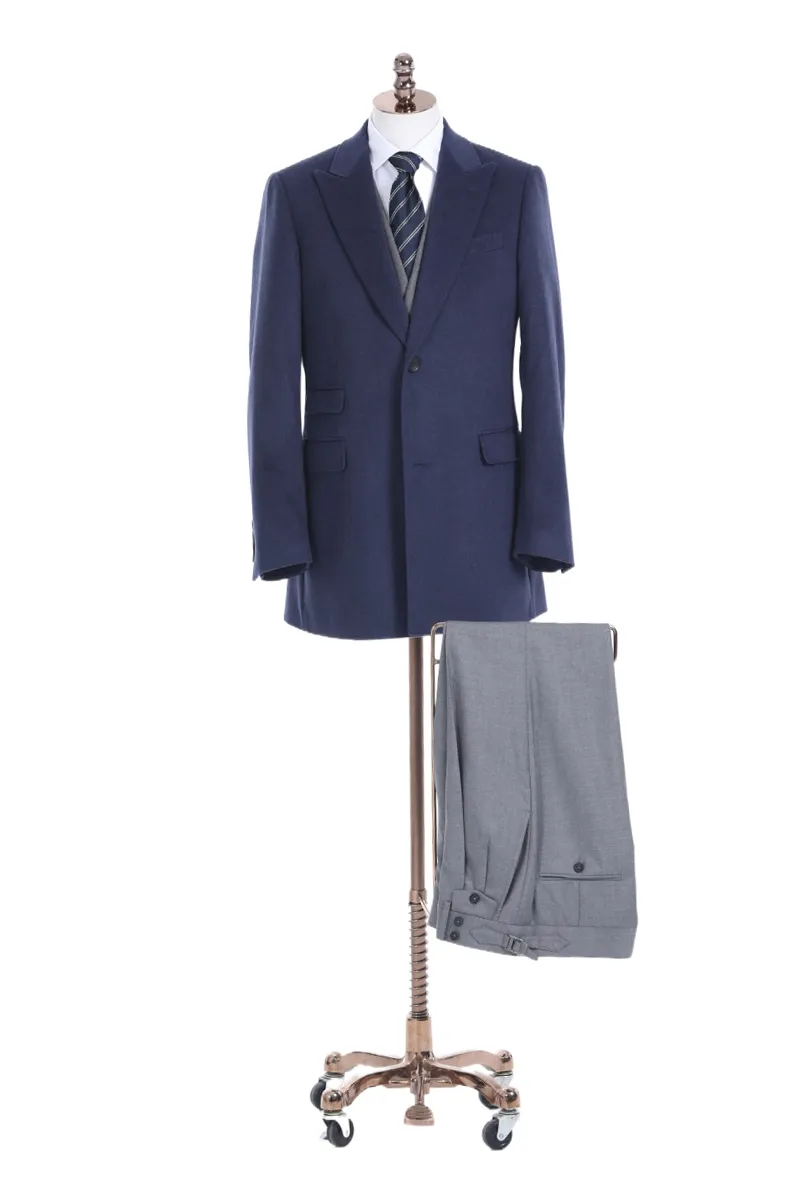
Navy Overcoat
-
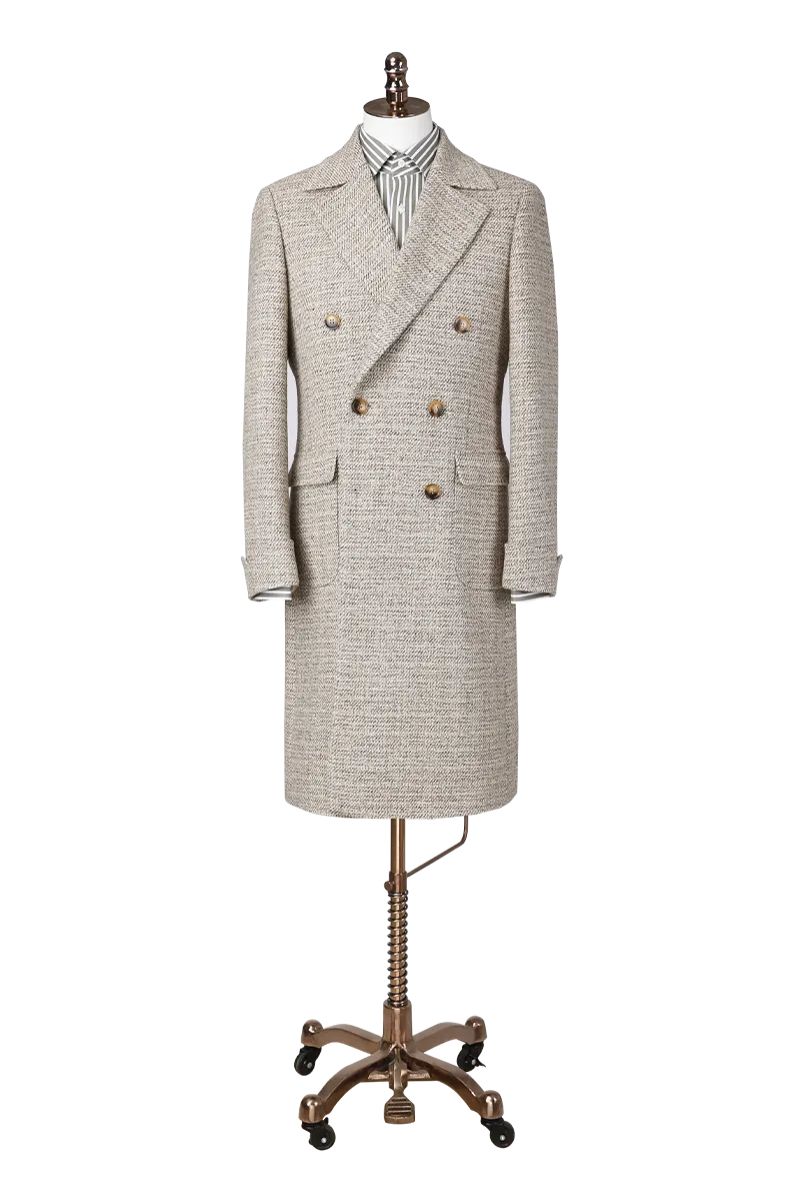
Double-Breasted Tweed Overcoat
-
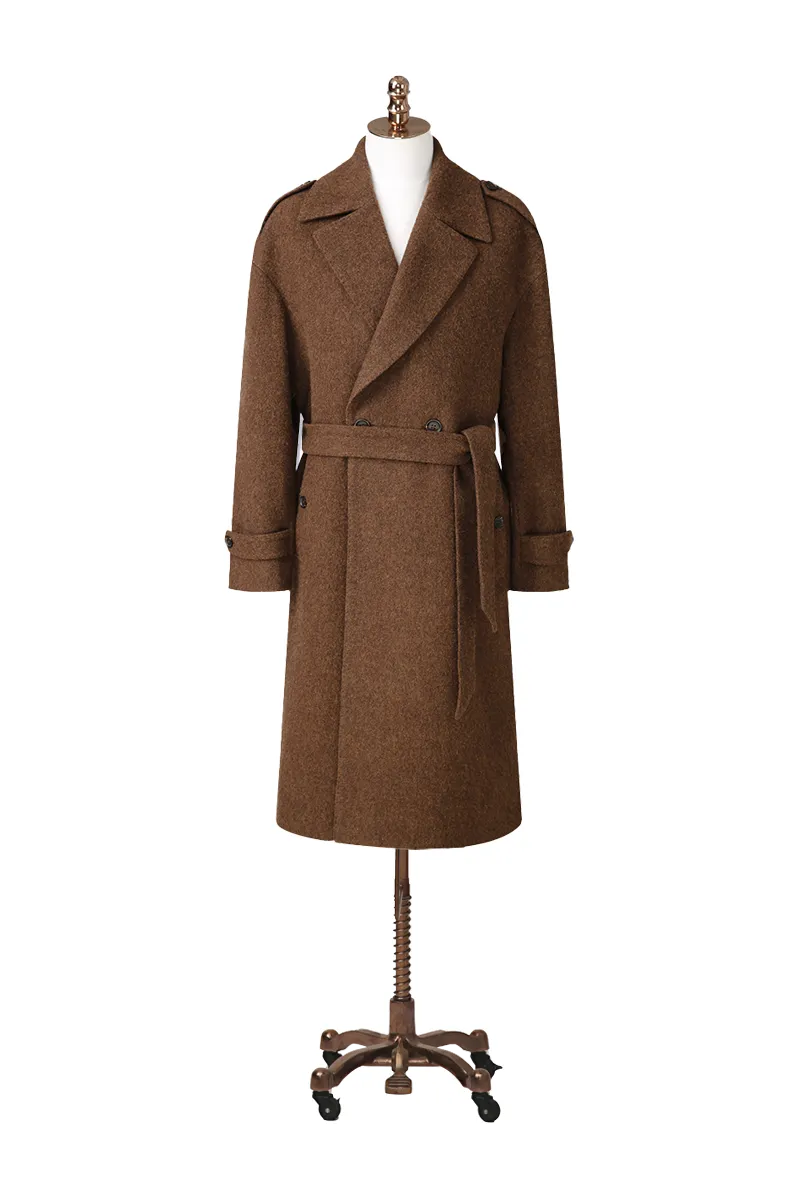
Wool Double-Breasted Overcoat
-
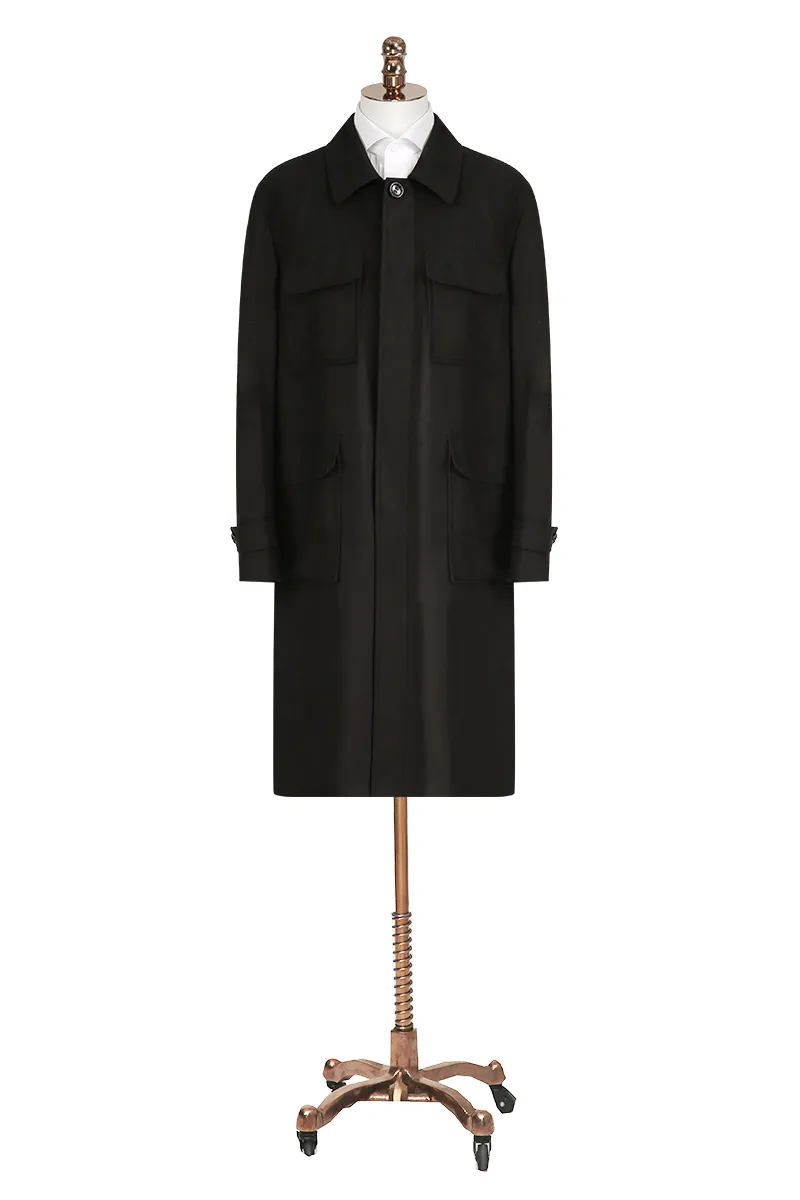
Black Raglan Mac Coat
-
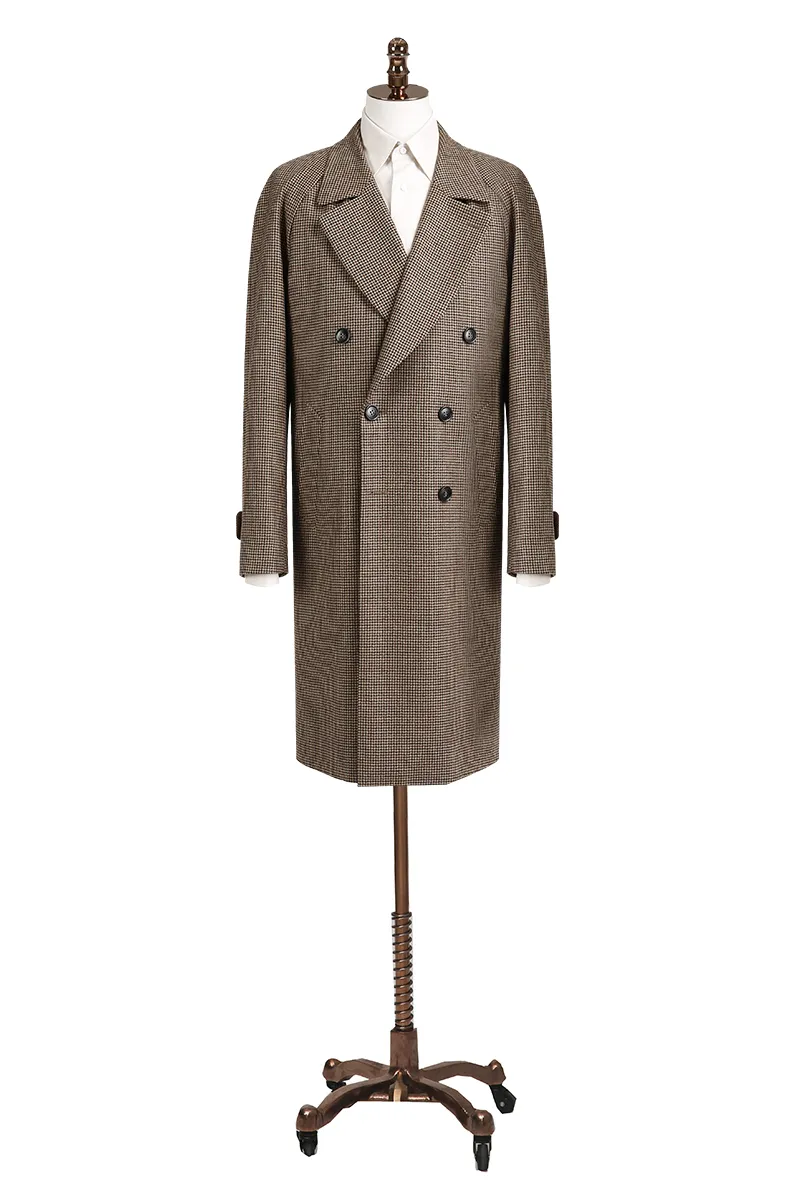
Brown Houndstooth Overcoat
-
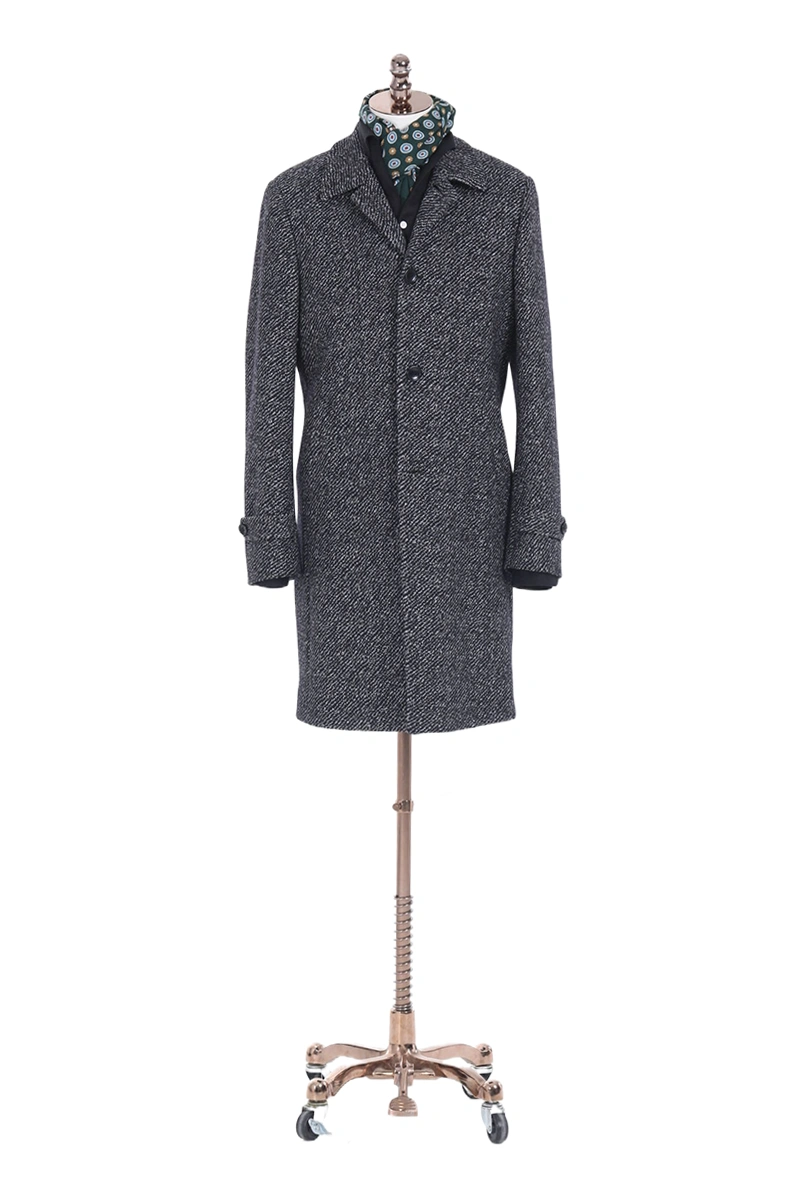
Wool Overcoat
-
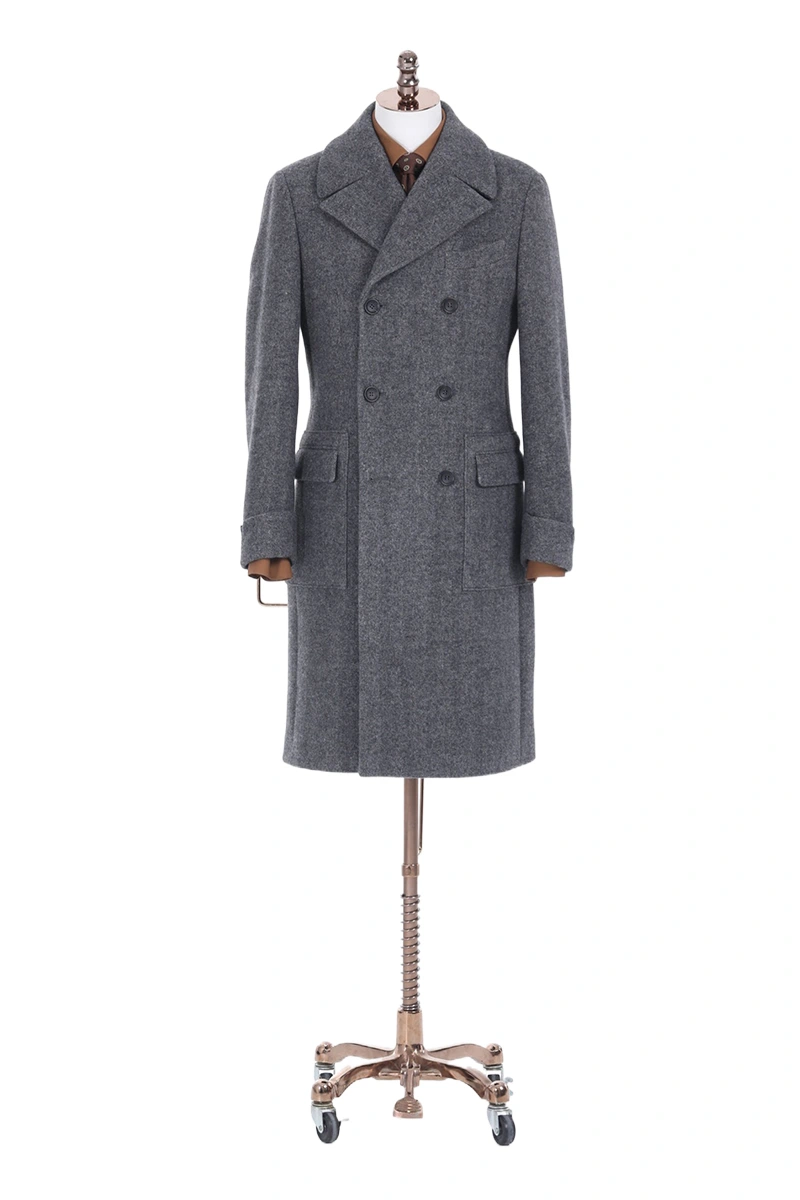
Wool Wide Herringbone Overcoat
-
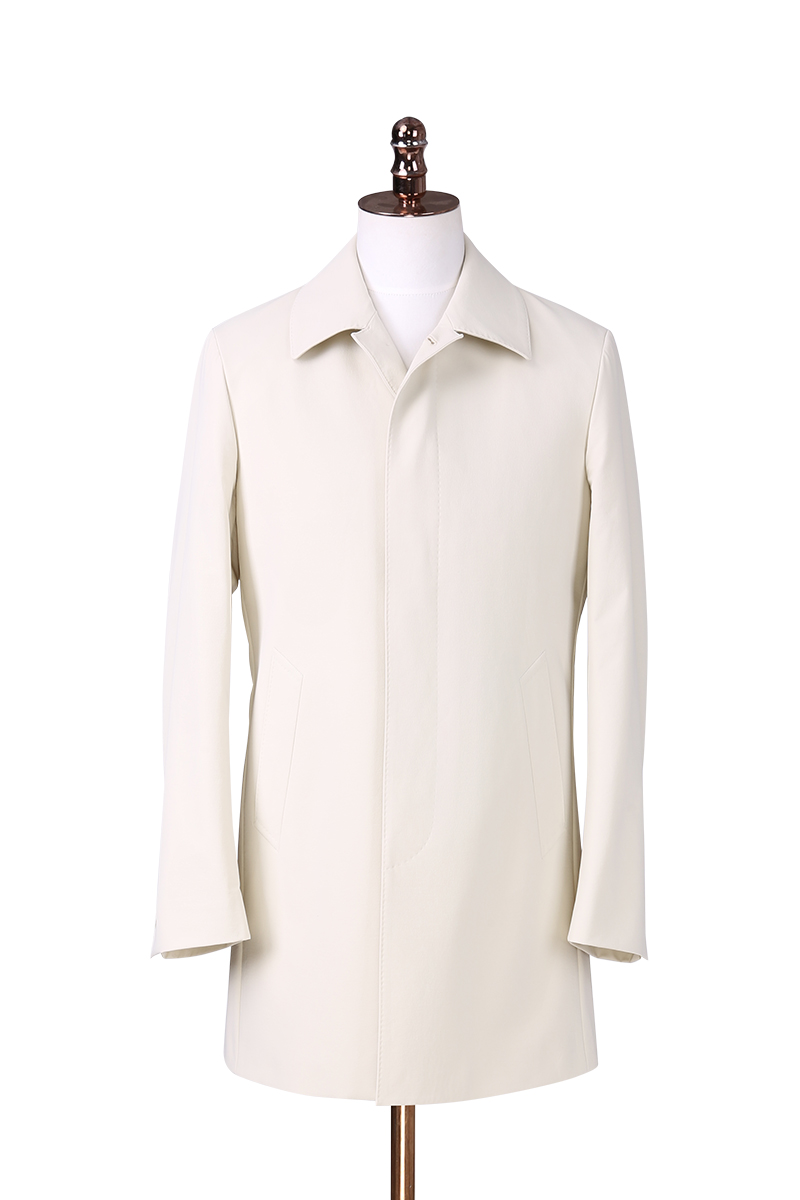
Water-Repellent Cotton Overcoat
-
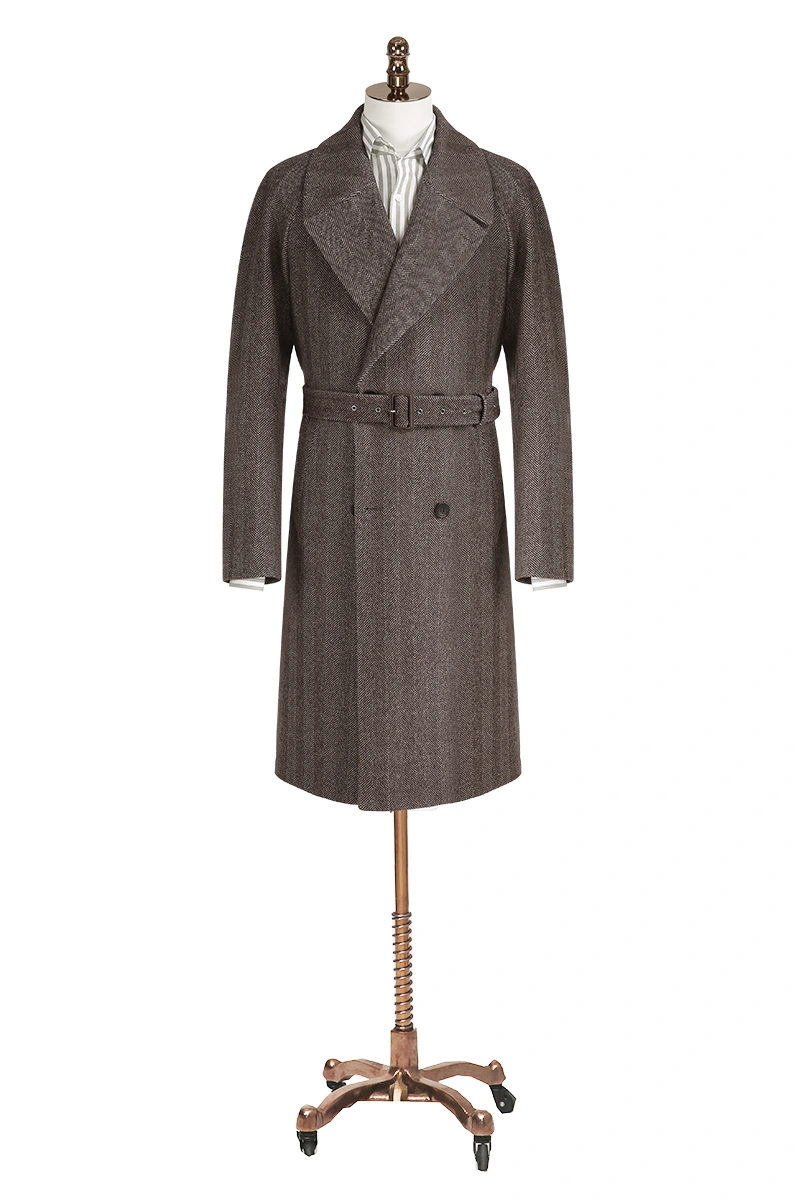
Wide Herringbone Raglan Overcoat
-
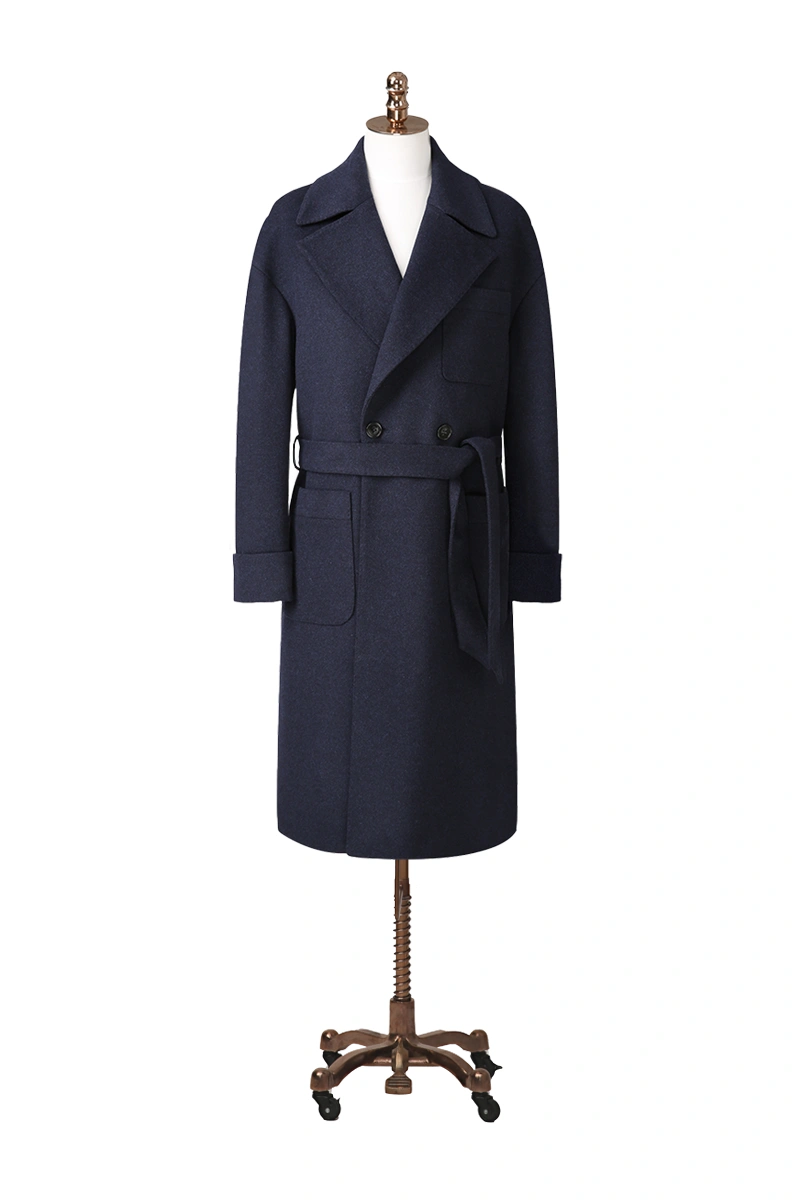
Wool-Cashmere-Silk Overcoat
-
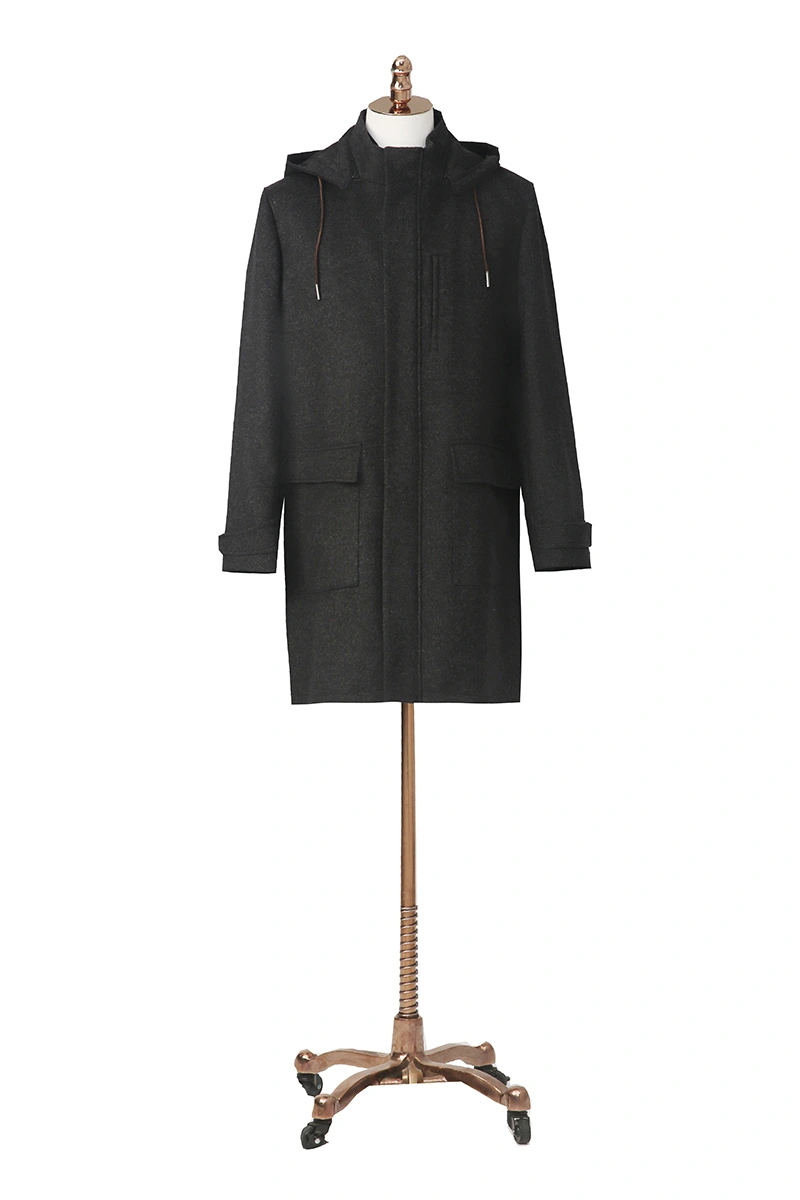
Wool-Cashmere Hooded Coat
-
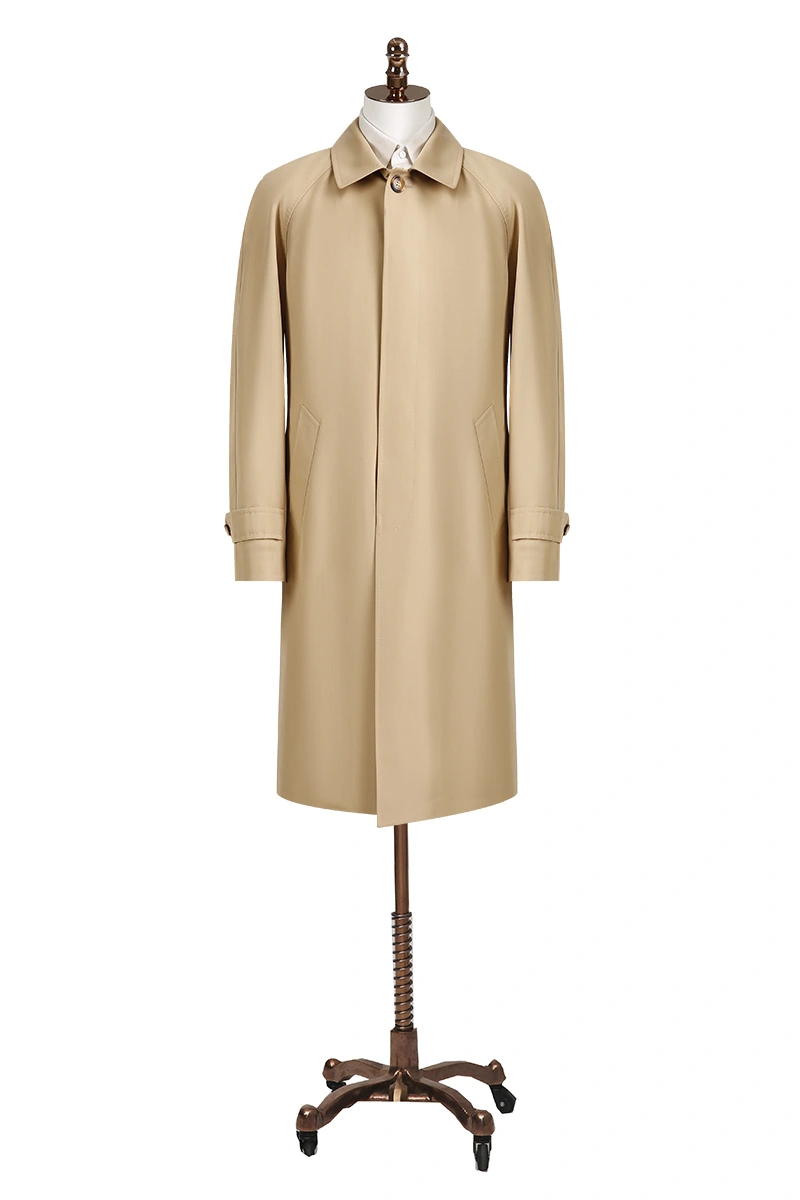
Beige Cotton Raglan Sleeve Coat
-
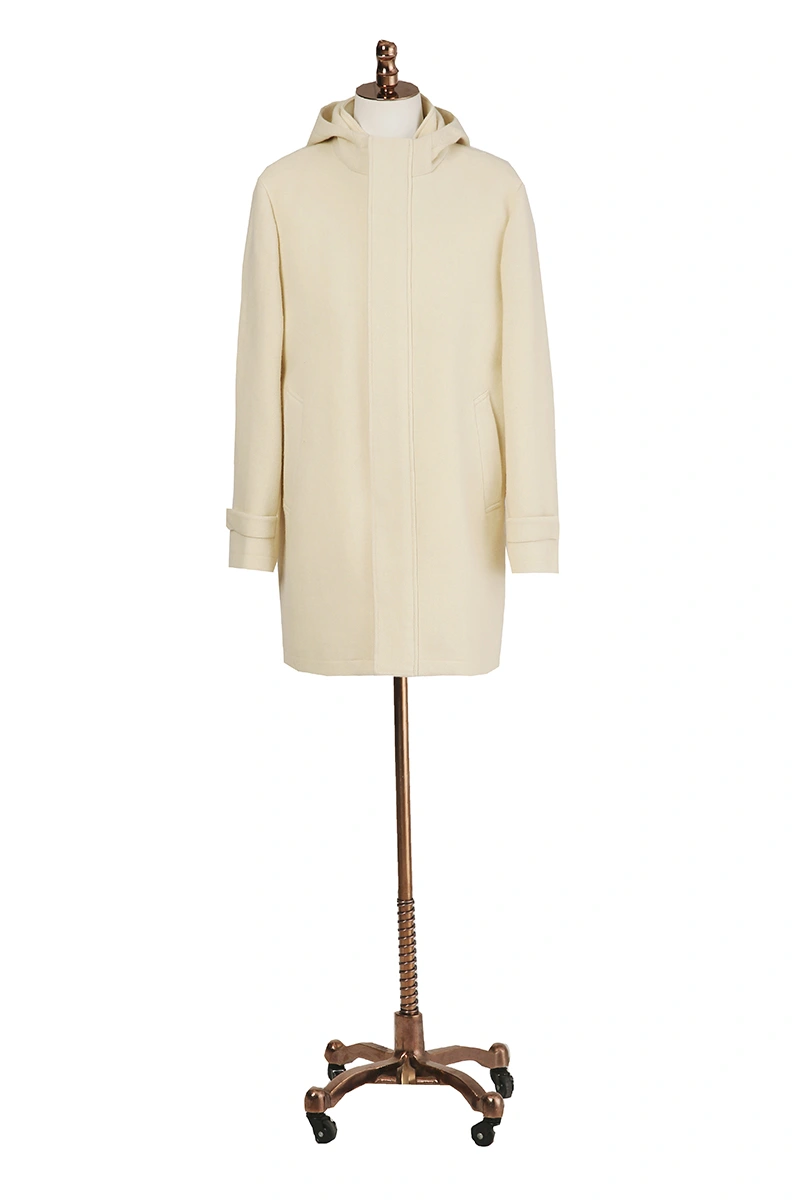
Cream Wool Hooded Coat
-
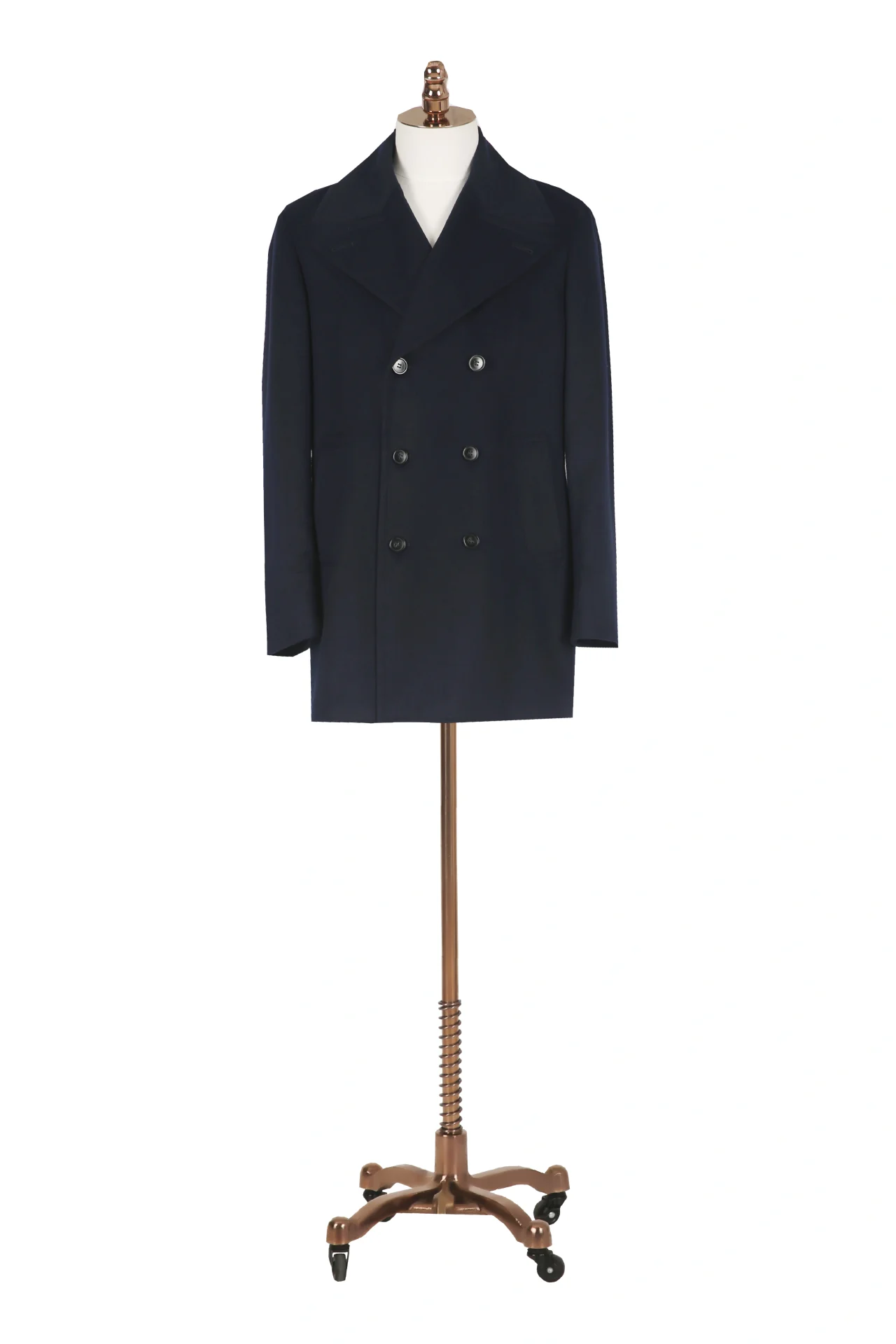
Navy Wool-Cashmere Coat
-
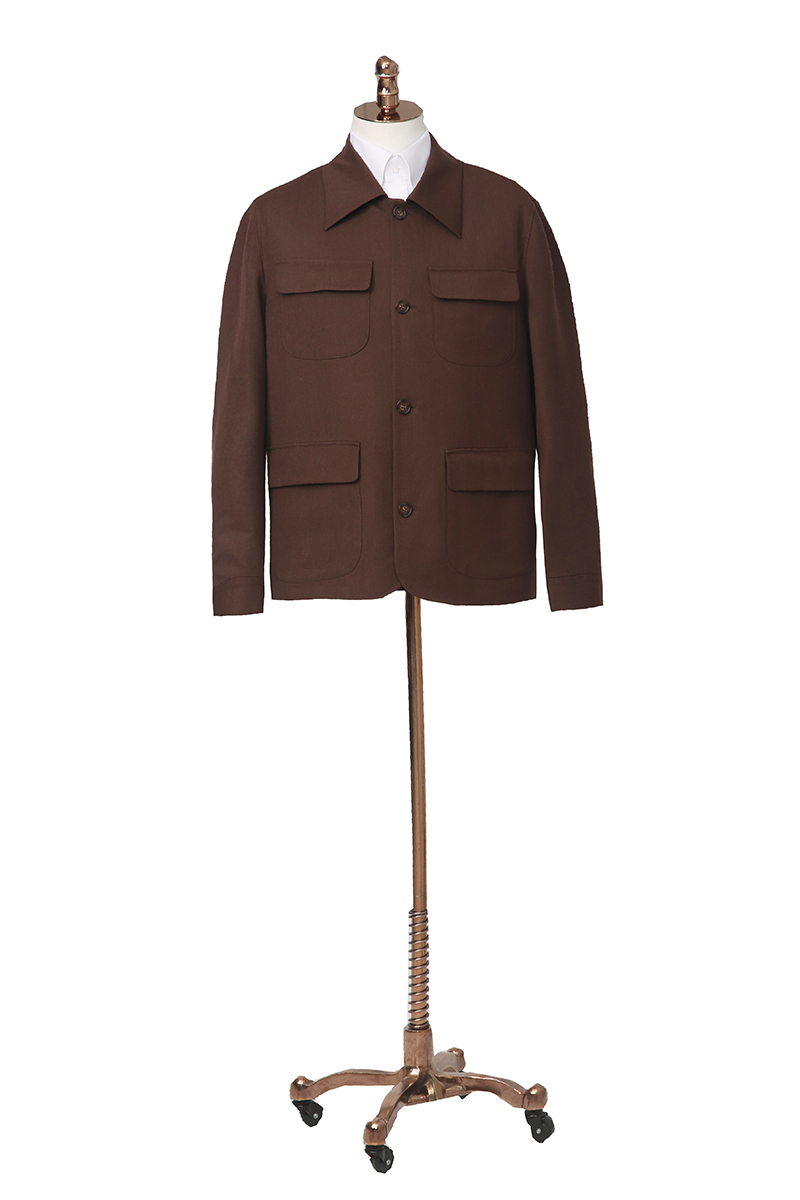
Brown Bomber
-
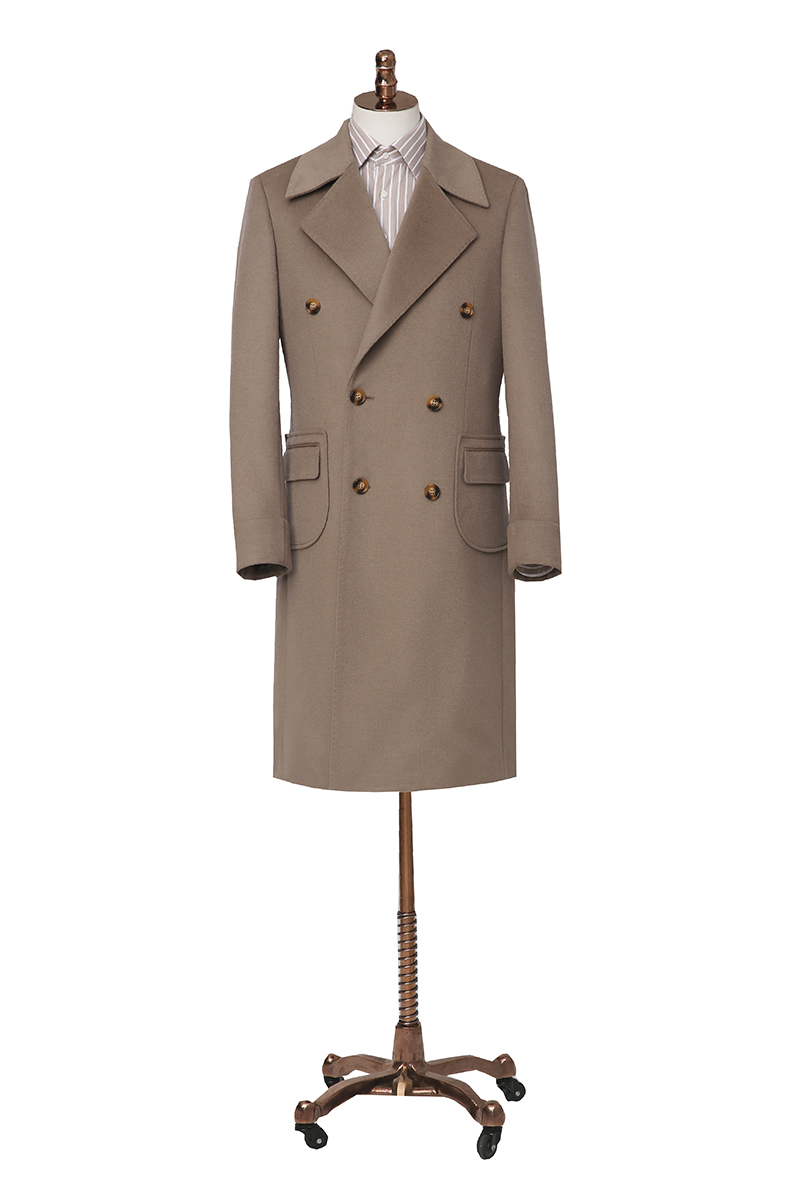
Light Brown Peak Coat
-
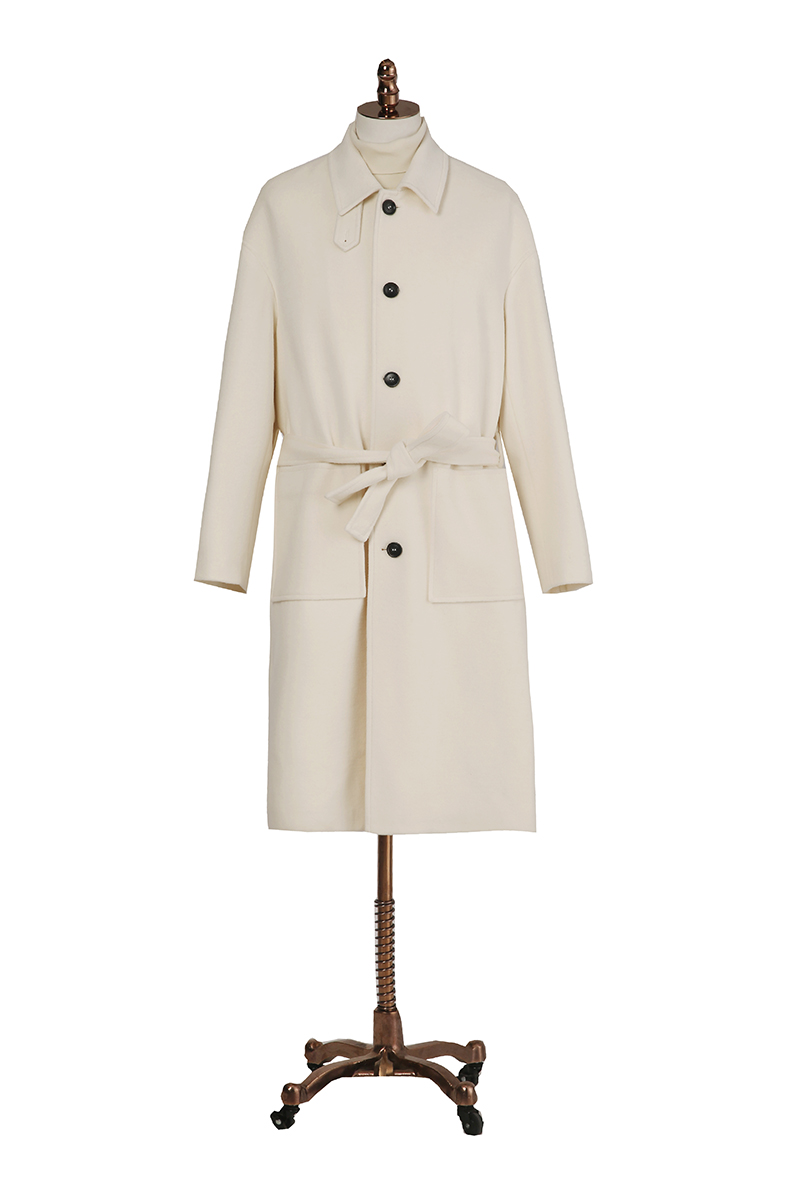
Cream Tie Coat
-
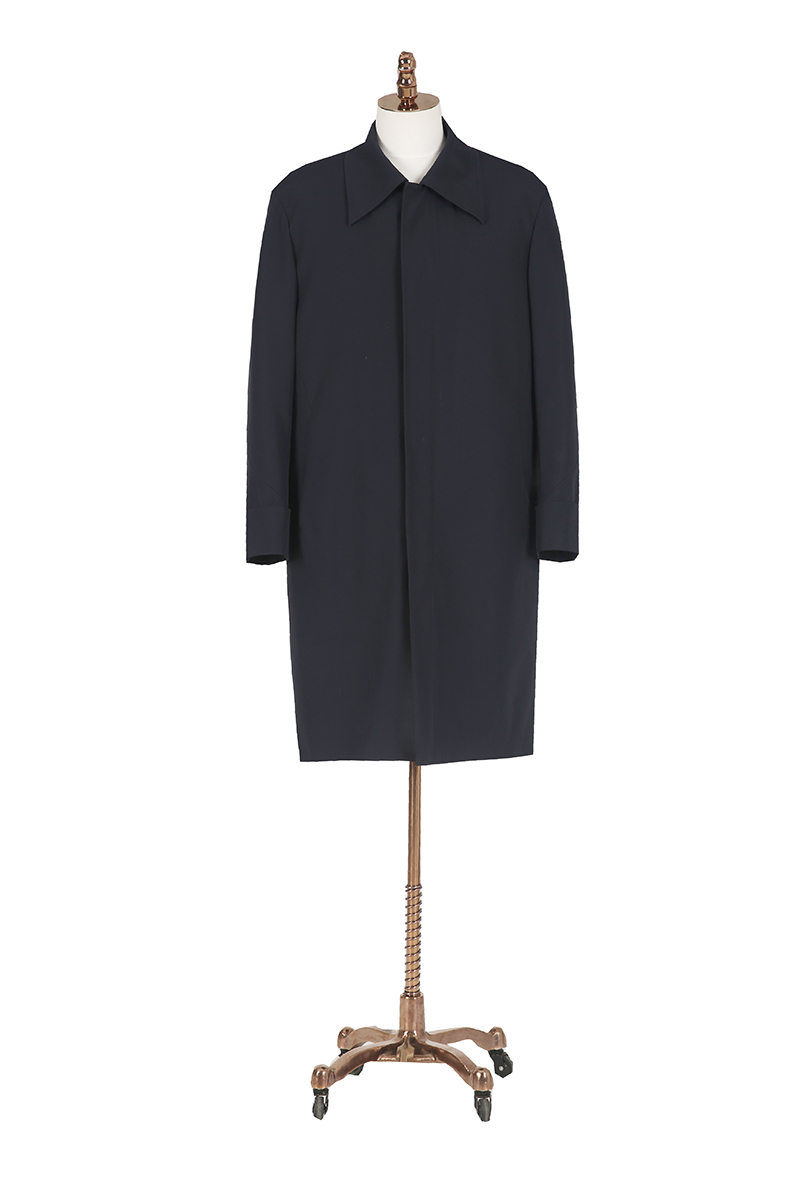
Navy Mac Coat
-
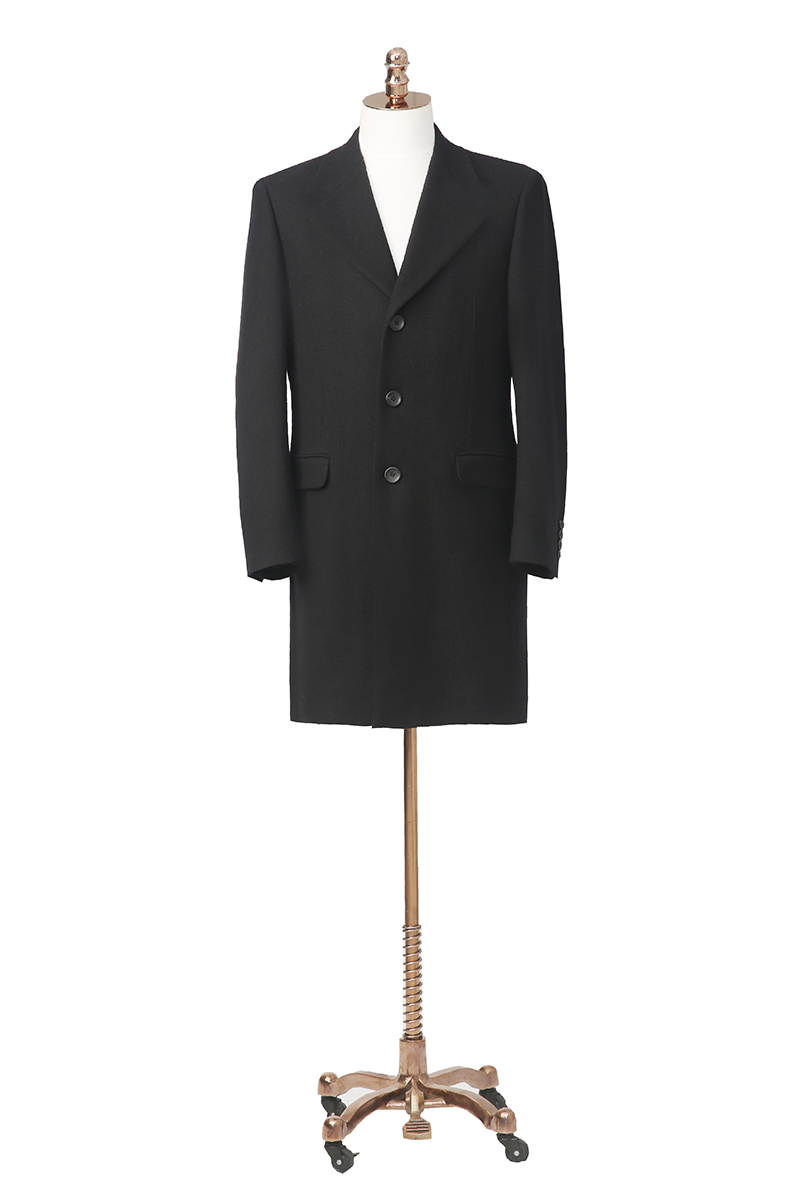
Wool Notch Coat
-
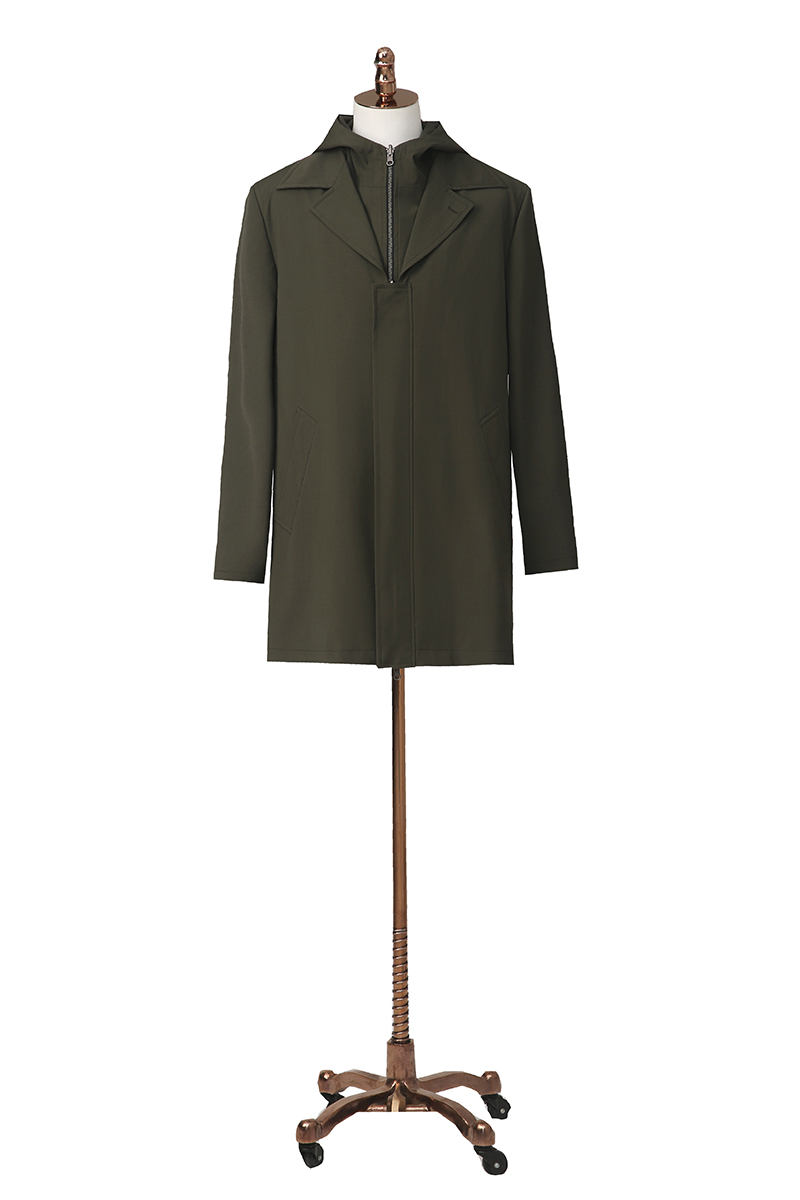
Khaki Hooded Overcoat
-
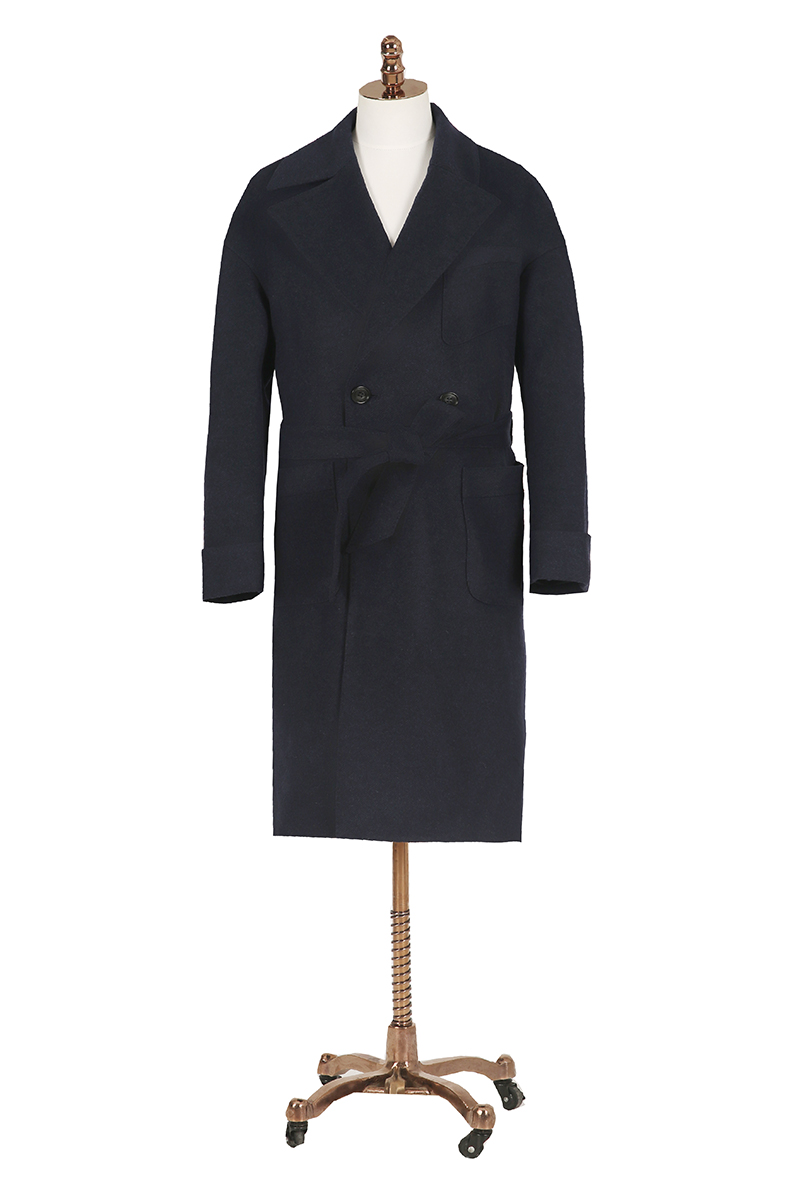
Navy Patch Tie Overcoat
What Actually Matters in a Winter Coat
A winter coat's quality comes down to three things: fabric, construction, and fit. Everything else is a bonus.
Fabric Weight Determines Warmth
Look for 280-340 grams per square metre in wool coats. Below 280, you'll be cold. Above 340, you'll feel like you're wearing a rug. Cashmere blends add softness without bulk. Avoid synthetic "performance" fabrics unless you're climbing mountains; they don't breathe properly for city wear.
Construction Shows in the Details
Turn a coat inside out. Quality pieces have canvas interlining (feels structured but flexible), hand-stitched lapels (you'll see uneven stitching that's actually more durable), and proper lining that doesn't pull or bunch. Cheap coats use fusible interlining (feels stiff and board-like) and machine-stitched everything.
Fit Matters more Than Style
A coat should sit on your shoulders without pulling or sagging. Sleeves should end at your wrist bone, showing about half an inch of shirt cuff. The body needs room for a suit jacket beneath without looking oversized. Most men buy coats too big, thinking "I can layer underneath." You can, but only if the coat is cut properly for layering.
This is why, at McCann Bespoke we custom tailor your coat to suit your body.
Tailored Winter Coats vs Off-The-Rack Winter Coats
Off-the-rack works fine if you're average height, average build, and don't mind minor fit compromises. Most men fall into this category.
Bespoke makes sense if your shoulders slope more than average (coat shoulders sag), your arms are long or short (sleeves never hit right), you have an athletic build (chest fits but waist is huge), or you wear the coat over tailored suits regularly.
The bespoke process takes three to four fittings over 8-12 weeks. First fitting covers measurements and fabric selection. Second fitting involves trying the coat in canvas form and adjusting fit. Third fitting addresses the nearly finished coat with final tweaks. Fourth fitting, if needed, handles pickup and any last adjustments.
The real advantage isn't just longevity. It's fit. A bespoke coat sits on your shoulders correctly, allows arm movement without pulling, and maintains clean lines over suits. If fit matters significantly to you, it's worth considering.
Choosing Your Colour
Colour impacts both versatility and professional appropriateness. Three colours dominate men's winter wardrobes for good reason.
Navy Winter Coats
Navy coordinates with everything. Charcoal suits, grey trousers, navy suits (in a different shade), brown shoes, black shoes, denim. It photographs well, doesn't show dirt as badly as lighter colours, and maintains appropriate formality.
If you're only buying one winter coat, make it navy. The colour works in formal and casual settings without ever looking out of place.
Charcoal and Grey Coats
Charcoal does everything navy does with slightly different character. It's particularly good if you wear a lot of navy suits. It provides contrast rather than blending in. Some professionals find it more modern-looking than navy.
Grey winter coats offer similar versatility whilst adding subtle distinction to your winter wardrobe.
Camel and Tan Coats
Camel stands out more. It coordinates beautifully with navy and grey suits but reads as a considered choice rather than a default. Good as a second coat once you have navy or charcoal covered.
Lighter tones like camel require more maintenance (show dirt more easily) but offer warmth and personality that darker colours can't match.
Understanding Fabric Properly
Wool dominates winter coats for good reason. It insulates when dry, still works when damp, breathes naturally (unlike synthetics), and lasts decades with proper care. The weight matters more than the specific type of wool.
- 280-310 gsm (grams per square metre): Good for UK autumn and mild winters. Not enough for January cold snaps.
- 320-340 gsm: The sweet spot for London winters. Warm enough for cold days, not so heavy you can't wear it for most of the season.
- Above 350 gsm: Only necessary if you're standing outside for hours at a time. Too warm for heated Tube stations and offices.
- Cashmere blends (usually 10-30% cashmere, rest wool) add softness and warmth without much weight increase. Pure cashmere coats look luxurious but wear faster than wool blends. Cashmere is delicate. The blend gives you a nice hand feel with more durability.
Winter Coat Styles for Professionals
Most style guides list ten coat types you'll never wear. Here are the three that actually make sense for London professionals.
Single-breasted Coats
The classic business coat. Mid-length (just above the knee), usually in navy or charcoal, with notched lapels. It works over suits, looks appropriate in formal settings, and doesn't draw attention. This is your primary winter coat if you wear suits regularly.
The key is getting the cut right. The shoulders need to accommodate your suit jacket's structure without bunching. The body should be tailored enough to look sharp but roomy enough to layer. Most off-the-rack versions get this balance wrong.
Belted Overcoats
A waist tie adds practical versatility. Wear it open and belted loosely for casual weekend wear. Button it up and cinch the belt for a more structured business look. The belt stops wind from blowing the coat open and lets you adjust fit as needed.
Patch pockets (rather than slit pockets) make access easier when wearing gloves. Look for mid-length cuts that work across both formal and smart-casual contexts.
Contemporary Bombers
These fill the smart-casual gap. Not quite formal enough for important client meetings, but far nicer than a puffer jacket for everything else. Look for wool-based fabrics rather than nylon, they look intentional rather than athletic.
Functional details matter here. Wind panels, working zippers, and proper pockets elevate a bomber from casual to refined. This works for Fridays, weekends, and anywhere you'd feel overdressed in a formal overcoat.
What McCann Bespoke Customers Say
"I couldn't recommend McCann Bespoke highly enough. Alex took the time to listen to exactly what I wanted, offered helpful suggestions, and delivered ahead of schedule. The attention to detail was outstanding." — Jamie Boyd
"Huge thanks to Claudia for the suit for a friend's wedding. Asked for a wider, older style fit and she nailed it." — Shae Grass
Ready to discuss fabrics and options? Email info@mccannbespoke.com or call 020 3904 6506.
Explore Our Winter Coat Collection
We've created a range of bespoke winter coats designed specifically for London professionals. Each style addresses different wardrobe needs, from formal business meetings to smart-casual weekend wear.
Our collection includes:
- Classic business overcoats in multiple colours
- Versatile belted overcoats with adjustable styling
- Contemporary luxury bombers for smart-casual contexts
- Seasonal variations in different fabric weights
All coats are hand-cut to your exact measurements using premium British and Italian fabrics from Loro Piana, Dormeuil, and Holland & Sherry.
Caring for Your Men’s Winter Coats
Most men ruin coats through overwashing. Here's what actually works:
- Brush after each wear. Takes 30 seconds with a proper garment brush. Removes surface dirt before it embeds in the fabric. This alone extends coat life significantly.
- Air, don't store. Hang on a proper wooden hanger (not wire) in a ventilated area overnight. Let moisture evaporate naturally. Don't immediately stuff into a crowded closet.
- Dry clean sparingly. Once or twice per season maximum. Chemicals strip natural oils from wool, making it wear faster. Spot clean minor marks with a damp cloth.
- Store properly in summer. Breathable garment bag, not plastic. Cedar blocks deter moths. Make sure the coat is completely dry before storing.
- Address damage immediately. Small tears become big tears. Loose buttons fall off. Take it to a tailor when you notice issues, not six months later.
- Our clients often wear coats for 10-15 years by following these steps. It's not complicated, just consistent.
Book a session , or visit us at 34-36 Lime Street, London, EC3M 7AT. If you cannot get time to come to our stores, we can make certain arrangements to visit you at your work. Saturday and late night appointments are available upon request.
What Our Customers Say
"I had no idea that three years later I'm now a regular client, with a wardrobe stocked with some fantastic three-piece suits. Nothing has been too much trouble for the team." — Russell Freedman
"Fantastic service and the clothing is faultless, always a perfect fit." — Owen Davies
FAQs: Winter Coats for Men
What makes a quality winter coat?
Quality comes from fabric weight (280-340 gsm for London), construction method (canvas interlining, hand-stitched lapels, reinforced stress points), and proper fit (shoulders sit correctly, sleeves end at wrist bone, body allows layering without looking oversized). Brand matters less than these fundamentals.
How should a winter coat fit?
Shoulders should sit flat without pulling or sagging. Sleeves should end at your wrist bone, showing half an inch of shirt cuff. In addition, the body should allow room for a suit jacket underneath without looking oversized. Test this by wearing your usual suit when trying coats. When buttoned, the coat should move with you without gaping or straining.
Are expensive winter coats worth buying?
A £2,000 coat lasting 15 years costs £133 per year. A £300 coat lasting 3 years costs £100 per year. The expensive coat fits better and looks sharper throughout its life, but the cost difference isn't dramatic annually. Buy expensive when fit matters significantly to you. Buy mid-range when fit is good enough.
What's the most versatile winter coat colour?
Navy coordinates with charcoal suits, grey trousers, navy suits (different shade), brown shoes, black shoes, and jeans. It works in formal and casual settings, doesn't show dirt badly, and never looks dated. Charcoal grey runs a close second. If you only own one winter coat, make it navy.
Should winter coats fit over suits?
If you wear suits to work, yes. Your winter coat should accommodate a suit jacket underneath. At McCann Bespoke, we'll size you wearing a suit, ensuring proper room through the shoulders and body. Most men buy winter coats while wearing casual clothes, then find the coat too tight over suits.